

A Guide to Men's T-Shirt Fabrics
When it comes to men's fashion, the humble T-shirt is a versatile staple that transcends seasons and trends. However, not all T-shirts are created equal. The fabric used can significantly impact the feel, durability, and overall quality of a T-shirt, as well as its suitability for different activities and occasions. We'll delve into the benefits and drawbacks of the most common T-shirt fabrics, helping you understand why you might choose one over another, and what factors might sway your decision.
Cotton
Cotton is the most common fabric used for T-shirts. It's soft, breathable, and easy to care for, making it an excellent choice for everyday wear. However, not all cotton T-shirts are the same. The quality can vary significantly, depending on the type of cotton used. Most cotton is harvested by machine and is generally an affordable option.
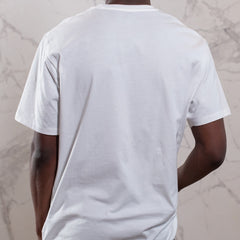
However, the cost can vary depending on the type of cotton used. Organic cotton, for instance, can be more expensive due to the more labor-intensive farming practices. In terms of sustainability, cotton has a mixed reputation. On one hand, it's a natural, biodegradable material. On the other hand, conventional cotton farming can be resource-intensive, requiring significant amounts of water and pesticides. Organic cotton is a more sustainable option as it's grown without harmful chemicals and typically uses less water. However, it tends to yield less fabric per square foot of land.
Polyester
Polyester is another popular choice for T-shirts. It's durable, wrinkle-resistant, and retains its shape well. However, it's not as breathable as cotton, which can make it less comfortable in hot weather. Polyester is often used in athletic wear due to its durability and ease of care.

Polyester is also generally affordable, contributing to its widespread use in clothing. However, it's not a sustainable choice. Polyester is a petroleum-based product, meaning it's derived from a non-renewable resource. It's also non-biodegradable and its production process can release harmful chemicals into the environment.
Linen
Linen is a lightweight, breathable fabric that’s perfect for hot weather. It has a unique texture that can add an interesting element to your outfit. Nevertheless, linen wrinkles easily and can be more challenging to care for than cotton or polyester.
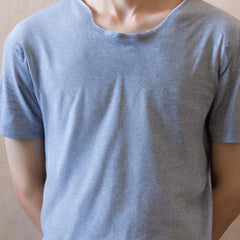
Linen can be more expensive than cotton or polyester. This is due to the labor-intensive process of producing linen from the flax plant. However, linen is a highly sustainable fabric. Flax is a resilient plant that can grow in poor-quality soil and requires less water and pesticides than cotton.
Rayon
Rayon, also known as viscose, is a man-made fabric derived from wood pulp. It's soft, lightweight, and has a slight sheen. In fact, it was originally developed as a silk substitute and is often used in skirts, dresses, and blouses for women. For men, it is popular in athletic t-shirts due to its moisture-absorbent properties. However, rayon can shrink or warp if not cared for properly.
The cost of rayon can vary widely, depending on the specific type of rayon and the production process used. In terms of sustainability, rayon is a mixed bag. While it's derived from renewable wood pulp, the process of converting the wood into fabric often involves harmful chemicals, which can be released into the environment.
Pima Cotton
Pima Cotton is the crème de la crème of T-shirt fabrics. Known for its extra-long fibers, Pima Cotton offers superior softness, a smooth feel, and exceptional durability. This is why it's the fabric of choice for the Men’s Pima Cotton T-Shirt from "IF... THEN WELL". The longer fiber length results in a more durable fabric that resists pilling, fading, and stretching.

Pima Cotton is a premium fabric, and its cost reflects that. The longer fiber length of Pima Cotton requires it to be hand-harvested, as machines can damage the fibers. This labor-intensive process contributes to the higher cost of Pima Cotton. One way to compensate for the higher cost is purchasing a men’s t-shirt bundle where the per unit cost is lower.
In terms of sustainability, Pima Cotton has several advantages. It's a natural, biodegradable material. The hand-harvesting process is more environmentally friendly than machine harvesting, which can cause soil erosion and compaction. The hand-harvesting process also tends to result in less waste. However, like all types of cotton, Pima Cotton can be resource-intensive to grow. The sustainability of Pima Cotton can be improved through organic farming practices and responsible water management.
Conclusion
When it comes to quality, Pima Cotton stands out as the best choice for a premium men's T-shirt. While other fabrics have their benefits, none can match the softness, durability, and luxurious feel of Pima Cotton. Its higher cost is justified by its superior qualities and the careful, sustainable harvesting process. So, if you're looking to invest in a T-shirt that offers unparalleled comfort and stands the test of time, look no further than a Men’s Pima Cotton T-Shirt.